The German Society for Cytometry - Deutsche Gesellschaft für Zytometrie, DGfZ
Founded in 1989 in Heidelberg by pioneers of cytometry, the DGfZ began as a networking platform for researchers in flow and image cytometry. Today, it is a leading interdisciplinary society, with its members dedicated to advancing the study, communication, and innovation of cytometry across Germany.
The DGfZ community
engages in exploration, analysis, and understanding of cells across scientific disciplines, uniting life sciences, engineering, (bio-)informatics, and more. Our members work on the cutting edge of immunology, oncology, pathology, microbiology, plant sciences, and ecology—areas where cellular analysis plays a critical role.
DGfZ members continue to drive forward technological progress by developing cutting-edge instruments, assays, and applications (LINK publication list). The society supports knowledge transfer through a solid foundation of core facility members, technicians, researchers, industry professionals, and an annual conference, which has become a cornerstone of the DGfZ community.
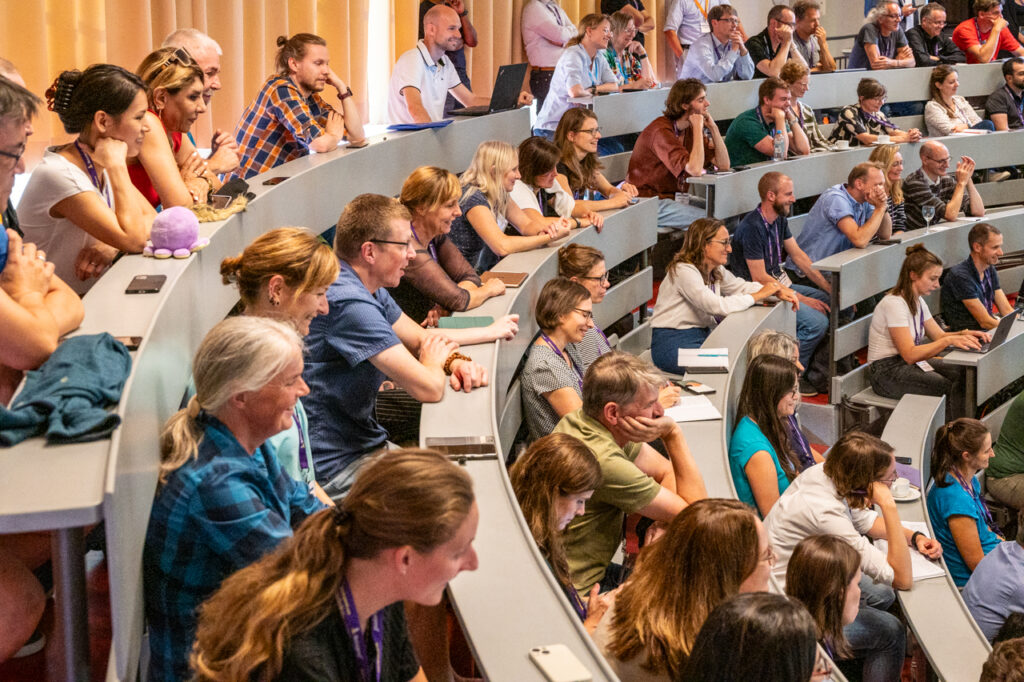
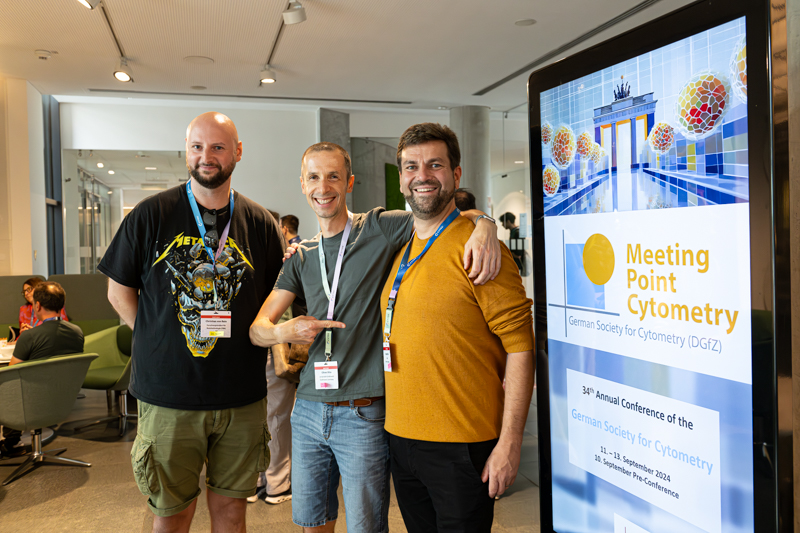
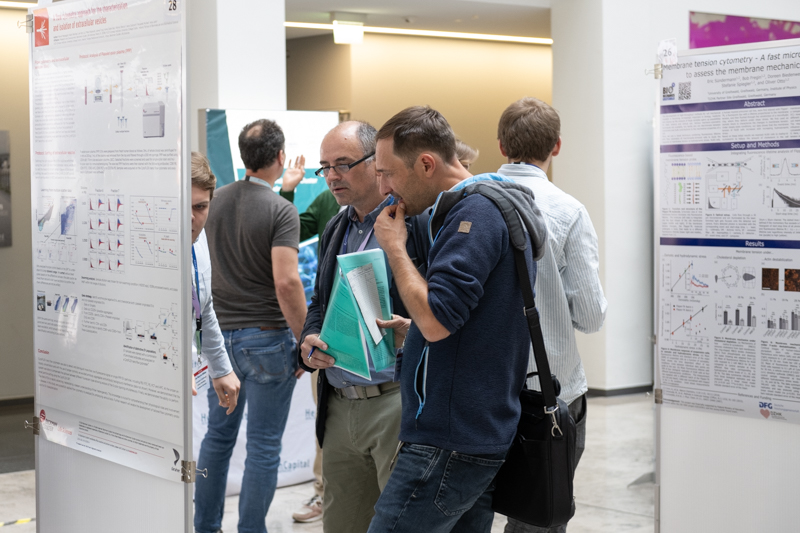
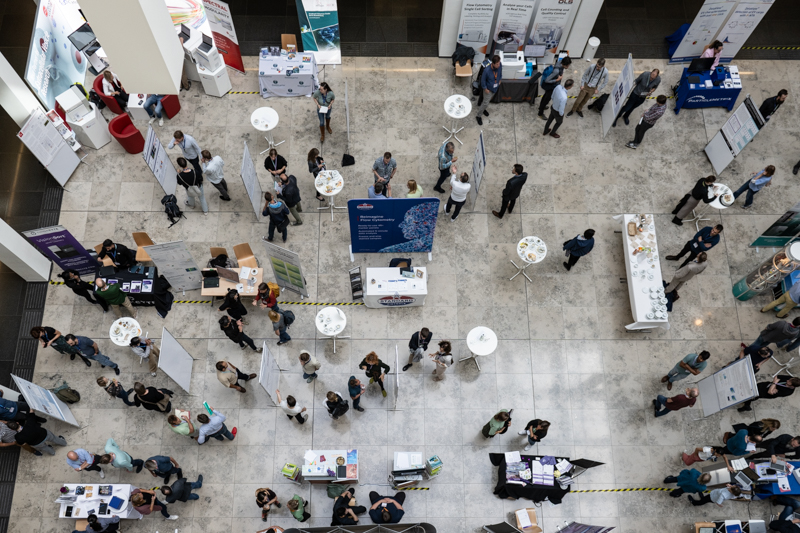
Our DGfZ annual meeting embodies the society’s mission to foster scientific exchange and collaboration. It provides a friendly and stimulating environment, where graduate students, post-docs, established scientists, and core facility members alike engage in presentations, interdisciplinary dialogue and networking, with strong support also from industry partnerships. Known for its welcoming atmosphere, top-quality presentations and educational workshops, affordable registration, and legendary evening social event, the conference has become a highlight of the DGfZ calendar.

DGfZ Board
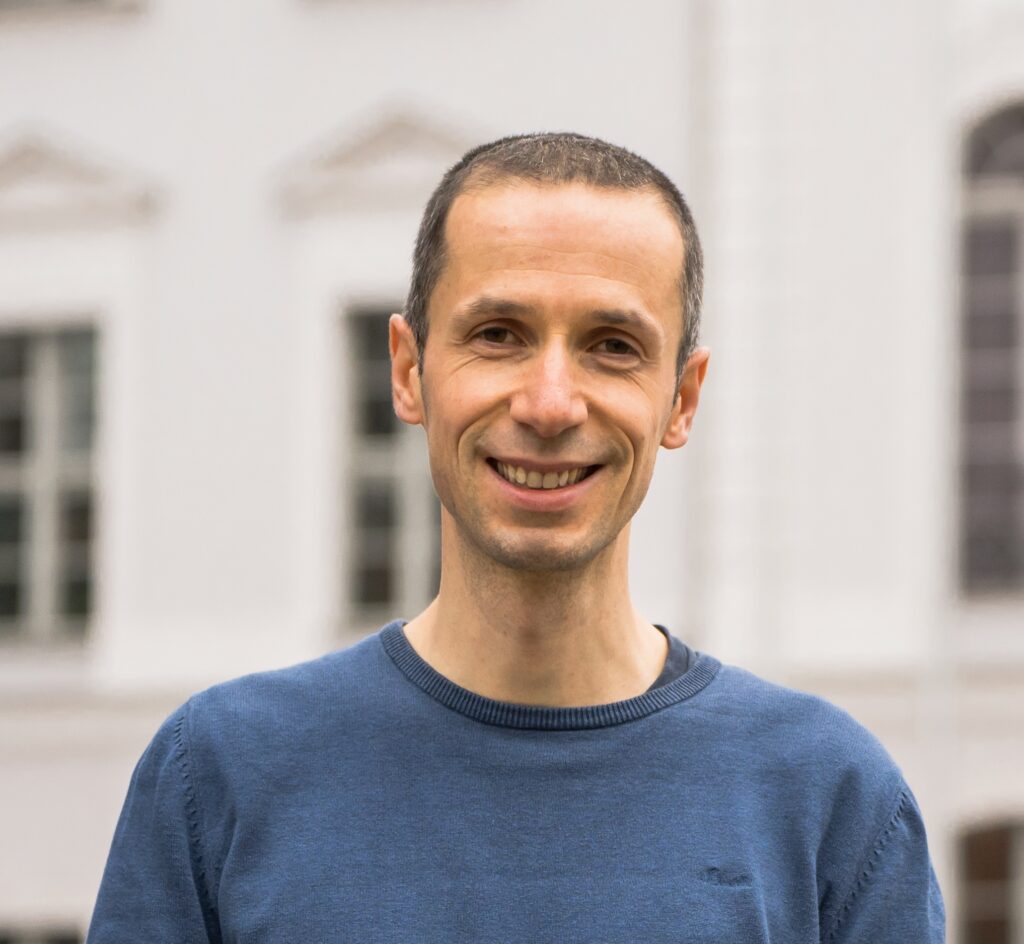
Oliver Otto
President of the DGfZ
University Greifswald
Zelluläre Biophysik
The research group Cellular Biophysics at the University of Greifswald develops label-free cytometry methods based on the biophysical properties of cells and tissues.
The research group of Oliver Otto focuses on understanding of how mechanical properties of cells and tissue impact on biological function. Specifically, he is interested in the development of label-free flow cytometry methods to study the rheology of single cells and multicellular systems at high spatiotemporal resolution.
Oliver received his PhD in Physics from the University of Cambridge (UK), where he investigated single molecule dynamics. In 2012, he joined the Technical University of Dresden (Germany) as a postdoctoral researcher and in 2016 he moved to the University of Greifswald (Germany) as an independent group leader. In both assignments he worked on the translation of high-throughput screenings into the field of cell mechanics. Since 2021, Oliver Otto is a Professor for Cellular Biophysics at the Physics Institute of the University of Greifswald (Germany).
Oliver Otto is also co-founder of the start-up company Zellmechanik Dresden, which commercializes real-time deformability cytometry, a technology for high-throughput characterization of cell mechanical properties.
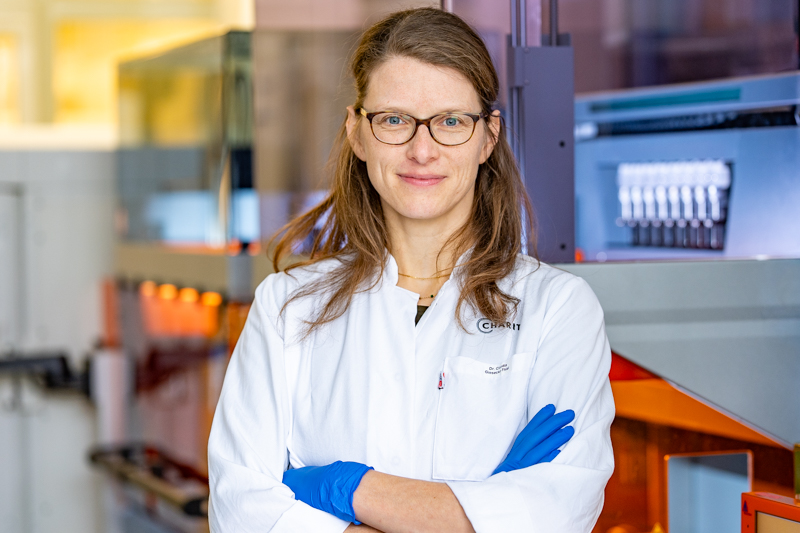
Claudia Giesecke-Thiel
Vice President of the DGfZ
Charité – Universitätsmedizin Berlin
Claudia Giesecke-Thiel’s research aims to generate deep insights into the topographical and antigen-specific imprinting of human immune memory, with a primary focus on B cells and their dynamic interaction with T cells and tissue microenvironments. The group pursues a bedside-to-bench strategy that takes clinical observations and primary human samples as the starting point for mechanistic investigations into how immune memory is established, maintained, and reshaped across tissues and disease contexts, with the long-term goal of improving approaches such as vaccination and immune-targeted therapies. To this end, the lab combines high-dimensional immunophenotyping, single-cell multiomics, and advanced flow cytometry technologies.
Claudia Giesecke-Thiel received her Dr. rer. nat. in 2015 from Humboldt University of Berlin, where she investigated the role of secondary lymphoid organs in shaping human vaccine responses. After receiving an independent postdoctoral fellowship in 2016, she joined Andreas Radbruch’s group at the Deutsches Rheuma-Forschungszentrum Berlin (DRFZ) to study the transition from transient to chronic immune responses and the underlying mechanisms of immune memory persistence and dysfunction. In 2018, she moved to the Max Planck Institute for Molecular Genetics, where she founded and headed the Flow Cytometry Facility while continuing her research on human immune memory.
In January 2026, Claudia Giesecke-Thiel joined the Department of Infectious Diseases and Critical Care Medicine at Charité – Universitätsmedizin Berlin and was awarded an ERC Starting Grant 2025 for the project TopBMemory, which investigates the topographical and antigenic imprinting of human B cell memory and its reprogramming potential.
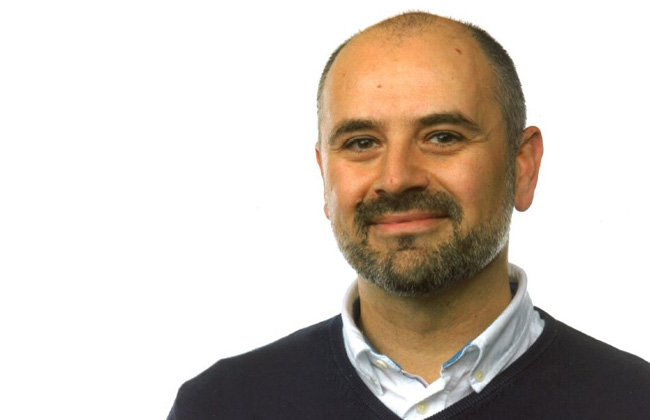
Thomas Kroneis
Secretary of the DGfZ
Medical University of Graz
Division of Cell Biology, Histology and Embryology
Slide-based Cytometry – Microchimerism, my field of research, is based on the analysis of rare cells (and their DNA, RNA, etc.), e.g. maternal cells in fetal tissues or fetal cells in the tissue of the mother. For detection, we use the toolbox of slide-based cytometry. Among others, we use fluorescence in situ hybridization, immunohistochemistry and other in situ techniques to identify and verify microchimeric cells as well as interpret their biology in a spatial context (Spatial Biology).
Thomas Kroneis received his doctorate in Medical Sciences at Medical University of Graz (PhD equivalent; distinction) in 2009 working on rare cell analysis in the context of non-invasive prenatal diagnostics based on fetal cells circulating in the peripheral blood of pregnant women. In 2014, he was awarded a 3-year Marie Curie Fellowship allowing him to join the lab of Prof. Stahlberg in Gothenburg, Sweden, where he expanded his knowledge on single-cell RNA analyses. Back in Austria, he habilitated in Cell Biology, Histology and Embryology (venia docendi) in 2018, and was appointed 2nd deputy chair of the Division of Cell Biology, Histology and Embryology. In 2021, he started a research group and became the leading principal investigator of an international consortium running a 5.3 M USD project on microchimerism. Since 2022 Dr. Kroneis is assigned faculty member of the PhD Program Molecular Medicine at Medical University of Graz.
E-mail: thomas.kroneis@medunigraz.at
Team website: https://www.medunigraz.at/team-thomas-kroneis
Microchimerism website: https://microchimerism.info/
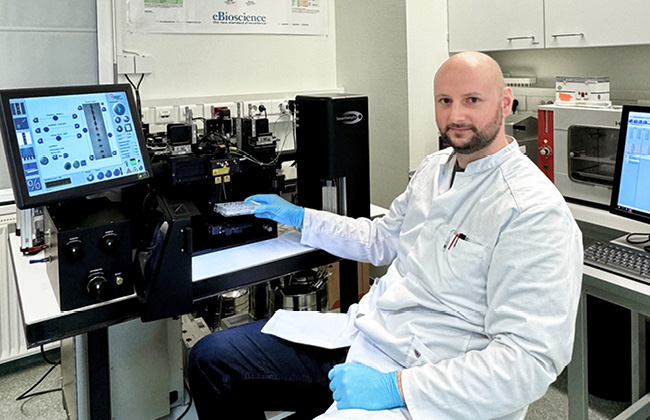
Christian von Rein
Tresurer of the DGfZ
Research Institute for Farm Animal Biology (FBN), Dummerstorf
I am responsible for the flow cytometry and microscopy platform at our institute, where I support a wide range of research projects through advanced imaging and cell analysis technologies. After completing my training as a Biological-Technical Assistant (BTA) in 2011, I joined the cytometry facility and have since developed extensive expertise in both the technical and methodological aspects of cytometric analysis.
Alongside the practical work, I’m particularly interested in reproductive biology. My focus includes ovarian follicle development, corpus luteum regression, and the role of interferon tau (IFN-τ) in ruminants. More broadly, I’m curious about the biological “signatures” of fertility and how we can better understand reproductive success at the cellular and molecular level.